HVAC Duct Sealing
HVAC Duct Sealing in jacksonville that stops the leaks
HVAC Duct Sealing in jacksonville is the fastest way to stop paying to cool your attic. If your ducts leak 20 to 30 percent of the air you buy, the rooms at the end of the run never catch up and the unit runs longer than it should. We seal the joints, boots, and plenum connections that fail in Florida heat, so the air you paid for lands in the rooms you live in. One visit, measurable results.
Service overview
What HVAC Duct Sealing in jacksonville actually fixes
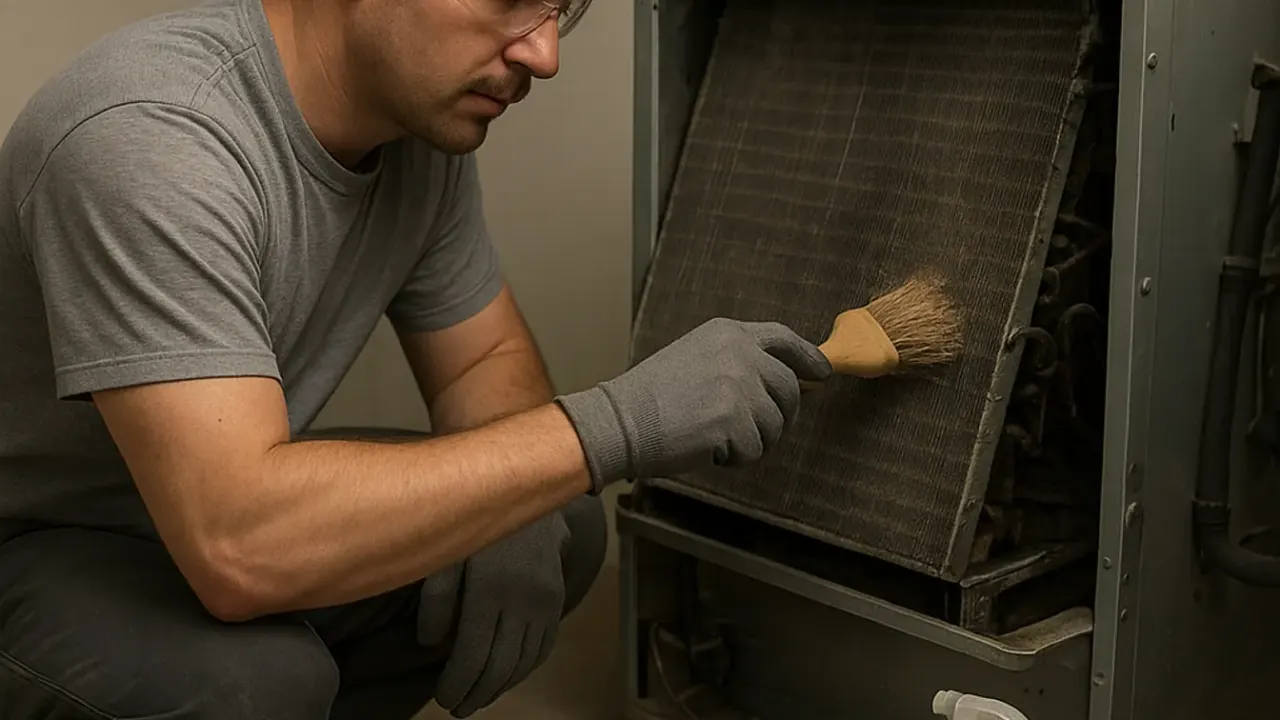
HVAC Duct Sealing in jacksonville is a mechanical repair that closes the gaps in your duct system so conditioned air reaches the rooms instead of the attic. We pressure-test the system with a duct blaster, find the leaks with an inspection camera, then seal every joint, seam, boot, and plenum connection with mastic and mesh tape rated for Florida attic temperatures. Flex duct runs get re-supported and re-connected at the collars. Sheet metal trunk lines get sealed at the takeoffs. Nothing gets painted over or taped and forgotten.
Jacksonville homes built before 2005 were often ducted with flex and sealed with little more than a zip tie and hope. Add a decade of 140-degree attic summers and those connections pull apart. That is why duct leakage sealing jacksonville homeowners ask for usually traces back to the air handler closet and the first ten feet of trunk line. If your electric bill climbs every August while one bedroom stays warm, that is the pattern we see most in Duval County.
Practical benefits
Why sealed ducts pay you back
Sealing ductwork is one of the few HVAC repairs that shows up on your power bill the same month. Here is what Jacksonville homeowners notice first.
Lower cooling bills
A system leaking 25 percent of its air has to run longer to satisfy the thermostat. Sealing brings that loss down to single digits in most homes, which trims run time and kilowatt hours. Customers in Southside and Mandarin commonly report 10 to 20 percent lower summer cooling costs after air duct sealing jacksonville FL work is completed and verified.
Even room temperatures
The far bedroom, the bonus room over the garage, the kitchen that never cools, these are almost always the last stops on a leaking trunk line. Once we seal the takeoffs and boots, static pressure balances out and those rooms finally get their share. No new equipment, no second thermostat, just the air going where it was supposed to go.
Less dust and humidity
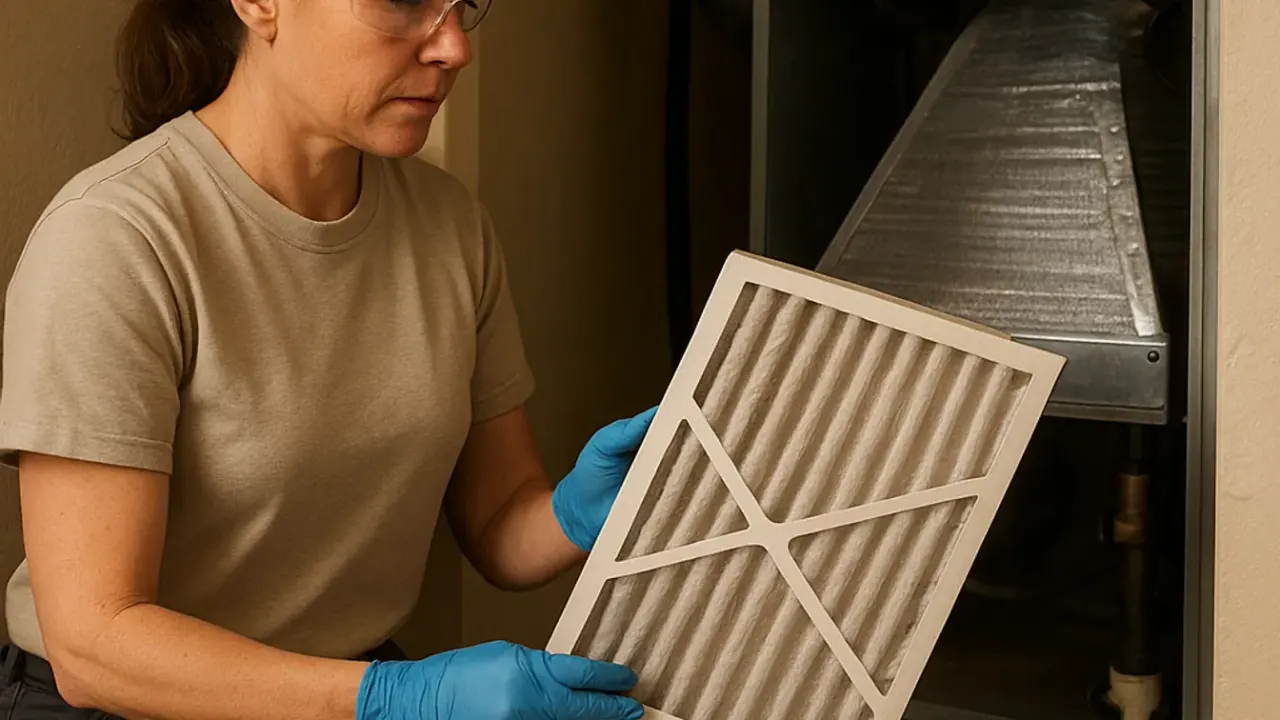
Leaky return ducts in a vented attic pull in insulation fibers, dust, and humid outside air. That is the grit on your furniture and the clammy feel at 74 degrees. Sealing the return side cuts the infiltration, so your air filter lasts longer and your system removes humidity instead of fighting it.
Longer equipment life
When ducts leak, the blower and compressor work harder for every degree of cooling. That extra runtime wears capacitors, contactors, and the compressor itself. Sealing the system reduces the load, which is why duct sealing for energy savings jacksonville homeowners request often delays a replacement by two or three years.
How service works
How our duct sealing service works
Five steps, one visit in most Jacksonville homes. Here is exactly what happens from the phone call to the final test.
STEP 01
Phone assessment
We ask about your home's age, the rooms that never cool, and your last two power bills. That tells us whether you need a full-system seal or a targeted repair. We book a two-hour window, usually same-day or next-day, and confirm the address and gate code before we roll.
Tools and methods
Tools and methods we use
Duct blaster
Pressurizes the duct system to 25 pascals and measures total leakage in CFM. We use it before and after every sealing job so the improvement is documented, not estimated.
Inspection camera
Lets us see inside plenums, trunk lines, and wall chases where leaks hide. We find disconnected collars and torn flex that you cannot spot from the attic floor.
Anemometer
Measures air velocity at registers so we can confirm each room is getting its share after sealing. It also flags runs that are still restricted by a kink or a crushed section.
Manifold gauges
When sealing work uncovers a refrigerant issue, we check system pressures to confirm charge. A leaking duct can mimic a low-charge problem, so we verify before adding refrigerant.
Leak detector
Electronic leak detector for refrigerant lines. If duct repairs require moving line sets or opening the air handler, we check the joints before we close everything back up.
Multimeter and clamp meter
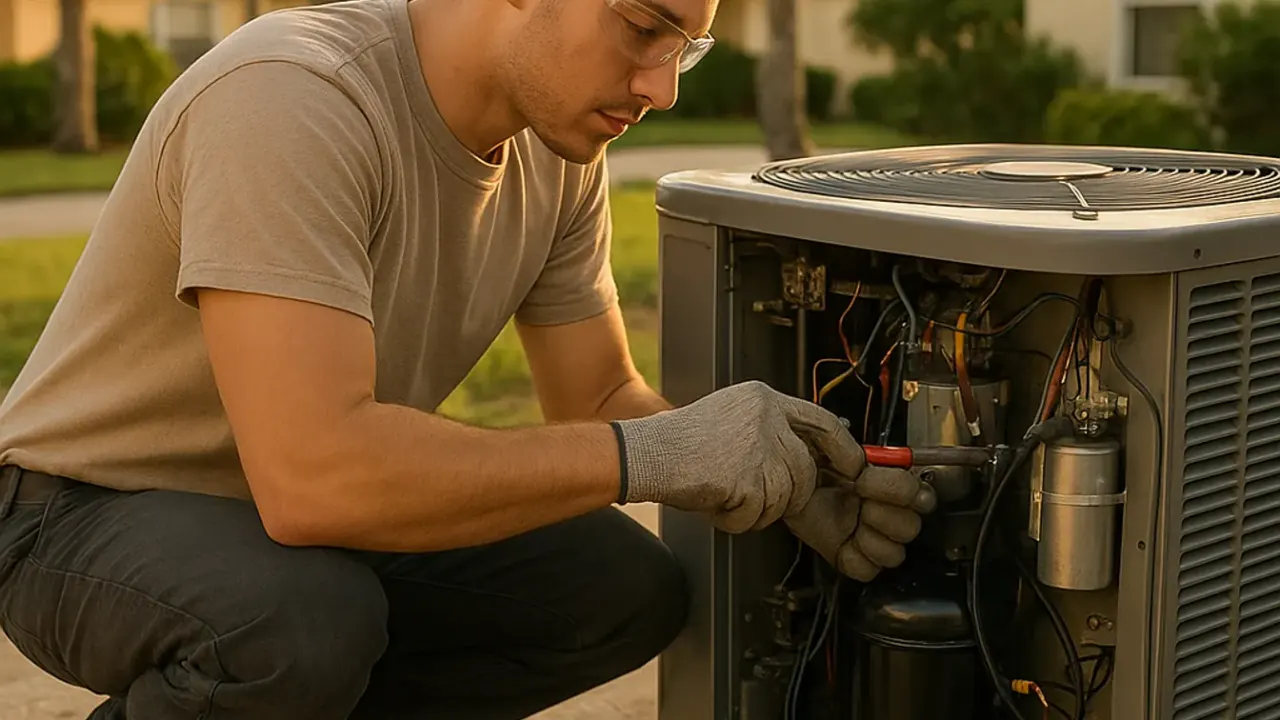
We test capacitors, contactors, and blower motor amp draw while we are in the air handler. Sealing changes static pressure, and we want to confirm the motor is within its rated range.
Duct blaster leakage testing
The standard method for quantifying duct leakage. We pressurize the system to 25 pascals and record CFM before and after sealing. A typical Jacksonville home drops from 150 to 200 CFM down to under 60 when the work is done correctly.
Mastic and mesh sealing
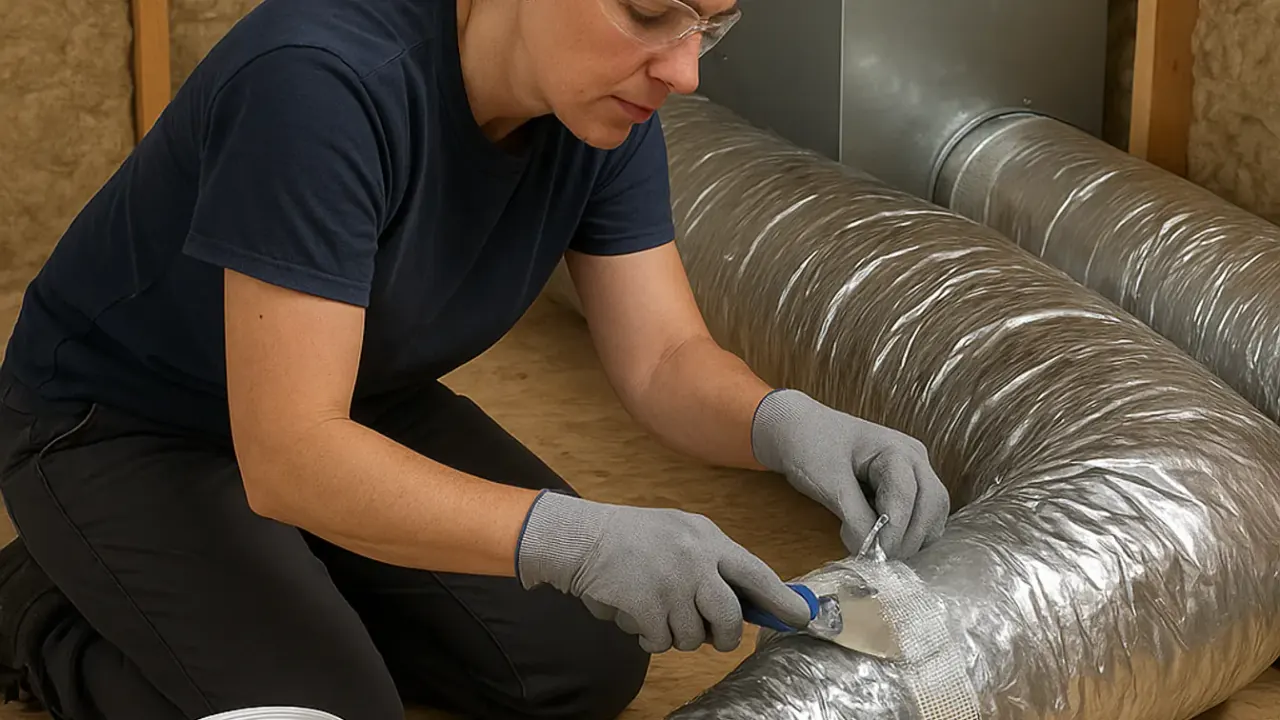
Brush-applied mastic over fiberglass mesh tape. It cures hard, bonds to sheet metal and flex, and holds up at attic temperatures that destroy foil tape in a single summer. This is the method we use on every accessible joint.
ACCA Manual D sizing review
Before we seal, we check whether the duct system is sized for the equipment. Sealing an undersized system can raise static pressure too high. If the ducts are too small, we tell you and quote the right fix.
Static pressure measurement
We measure return and supply static pressure to confirm the system is within the manufacturer's range. High static pressure is the hidden cause of many blower motor failures and frozen coils in Jacksonville homes.
Where this service fits
When to schedule duct sealing
Your August power bill jumped $60 and one or two rooms never cool, even with the thermostat set lower.
We run a duct blaster test to measure leakage, then walk the attic with an inspection camera to find the failed connections. Most of these calls trace back to a disconnected flex run or a leaking trunk takeoff. Sealed ducts deliver air to the hot rooms and cut run time. Customers typically see 10 to 20 percent lower cooling costs the first full month.
You are replacing your AC and the contractor says the old system was undersized, but the ductwork has never been tested.
Before we install new equipment, we test the ducts and seal what is leaking. New equipment on leaky ducts will not hit its rated efficiency, and the warranty may not cover airflow-related failures. You get the efficiency you paid for, plus a documented duct leakage number that protects your equipment warranty.
You bought a Jacksonville home built before 2000 and the inspection report mentions older ductwork.
We test the full system, seal the accessible connections, and replace any flex that is torn or crushed. We also check the return side, which is where older homes leak the most. A sealed system with documented before-and-after numbers, which is useful at resale and makes the house more comfortable immediately.
Your house feels clammy at 74 degrees and the air filter loads up with gray dust in three weeks.
That pattern usually means the return ducts are pulling attic air. We seal the return plenum and any open joints, then check humidity and static pressure after the work. Less dust, lower indoor humidity, and a filter that lasts its normal 90 days instead of three weeks.
Local execution
How duct sealing runs in jacksonville
Jacksonville duct systems live in a brutal environment. Attic temperatures hit 140 degrees in July and August, and the humidity stays high enough that any open joint pulls moisture into the airstream. That combination destroys foil tape in one season and pulls flex connections apart within a few years. In older neighborhoods like Riverside, Avondale, and Springfield, we often find original sheet metal trunk lines with unsealed takeoffs and no insulation left on the runs. Newer construction in Nocatee and Bartram Park usually has flex duct that was installed fast and sealed poorly, which is why we see 20 to 30 percent leakage even in homes under ten years old. Duval County does not require a duct leakage test at resale, so most homeowners have never seen their number. We test every system we touch, seal what is accessible, and document the result. If you have been searching for duct sealing service jacksonville FL with real verification behind it, that is exactly what we do.
Riverside and Avondale
1920s bungalows with original sheet metal ducts, often with unsealed takeoffs and attic runs that have lost their insulation. These systems respond well to mastic sealing and re-insulation.
Mandarin and Julington Creek
Larger homes with long duct runs and two air handlers. Leakage on the second system is common because the attic access is tighter and the connections get less attention.
Nocatee and Bartram Park
Newer construction with flex duct in 140-degree attics. We regularly find 20 to 30 percent leakage from poorly sealed collars and sagging runs that were never re-supported.
Arlington and Southside
Mix of 1970s and 1980s homes with aging flex and sheet metal. Return-side leakage is the big issue here, pulling attic dust and humidity into the system.
Attic temperatures reaching 140 degrees in summer
Foil tape fails within one season and flex collars pull apart. Mastic and mesh sealing is the only repair that holds up under these conditions, which is why we do not use tape.
Year-round humidity above 70 percent
Open duct joints pull moist outside air into the system, raising indoor humidity and making the house feel clammy at normal thermostat settings. Sealing the return side is critical here.
Older housing stock with original sheet metal ducts
Unsealed takeoffs and missing insulation on trunk lines cause 20 to 30 percent leakage. These systems need mastic sealing plus re-insulation to perform.
New construction with fast-installed flex duct
Even homes under ten years old show significant leakage from poorly sealed collars and sagging runs. Testing is the only way to know what you actually have.
Problems we solve
Duct problems we fix for affordable duct sealing jacksonville FL
Most duct calls come down to one of a handful of failures. Here are the ones we see most in Duval County attics, what they cost you if you ignore them, and how we fix them.
Disconnected flex duct at the collar
We reattach the flex to the collar, seal it with mastic and mesh, and re-strap the run so it does not pull apart again. If the inner liner is torn, we replace the section with new R-8 flex and seal both ends. The room gets almost no air while the attic gets all of it. The system runs longer, the compressor works harder, and your power bill climbs every month until the connection is fixed.
Leaking plenum and trunk seams
We seal every seam on the plenum and trunk with brush-applied mastic over mesh tape. On older sheet metal systems we also seal the takeoffs. This is the single highest-impact repair on most Jacksonville duct systems. Factory seams and field-built plenums leak 15 to 25 percent of total airflow. That is air you paid to cool blowing into a 140-degree attic, and it shows up as high bills and uneven room temperatures.
Crushed or kinked flex runs
We replace crushed sections with new R-8 flex, re-route runs that were installed with tight bends, and re-support sagging duct so it stays round. Then we seal the new connections and verify static pressure is back in range. A kinked run chokes airflow to every room downstream. Static pressure rises, the blower moves less air, and the coil can freeze in humid Jacksonville summers. It also wears out the blower motor faster.
Unsealed supply boots in the ceiling
We seal the boot pan to the drywall and the collar to the duct with mastic. It is a small repair with a big payoff, especially in two-story homes where the second floor is always the hottest. Air blows into the wall cavity instead of the room. You feel weak airflow at the register, the room never cools, and the wall cavity collects moisture that can lead to mold over time.
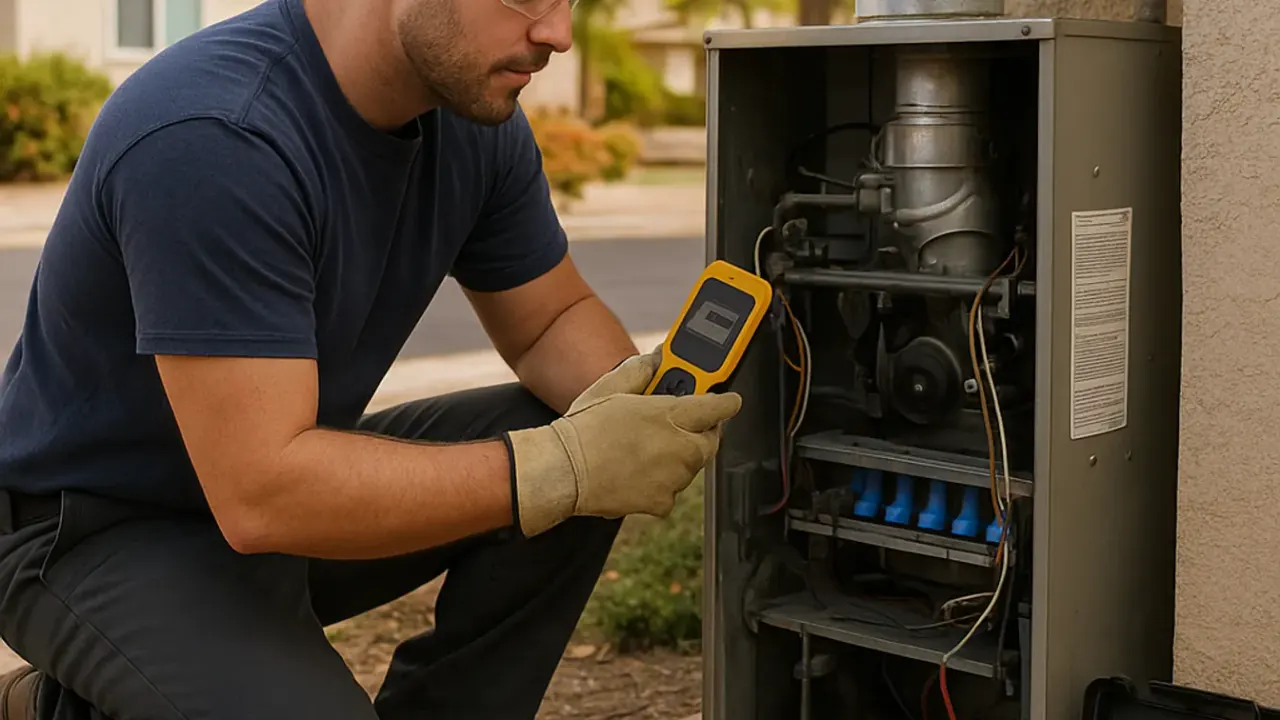
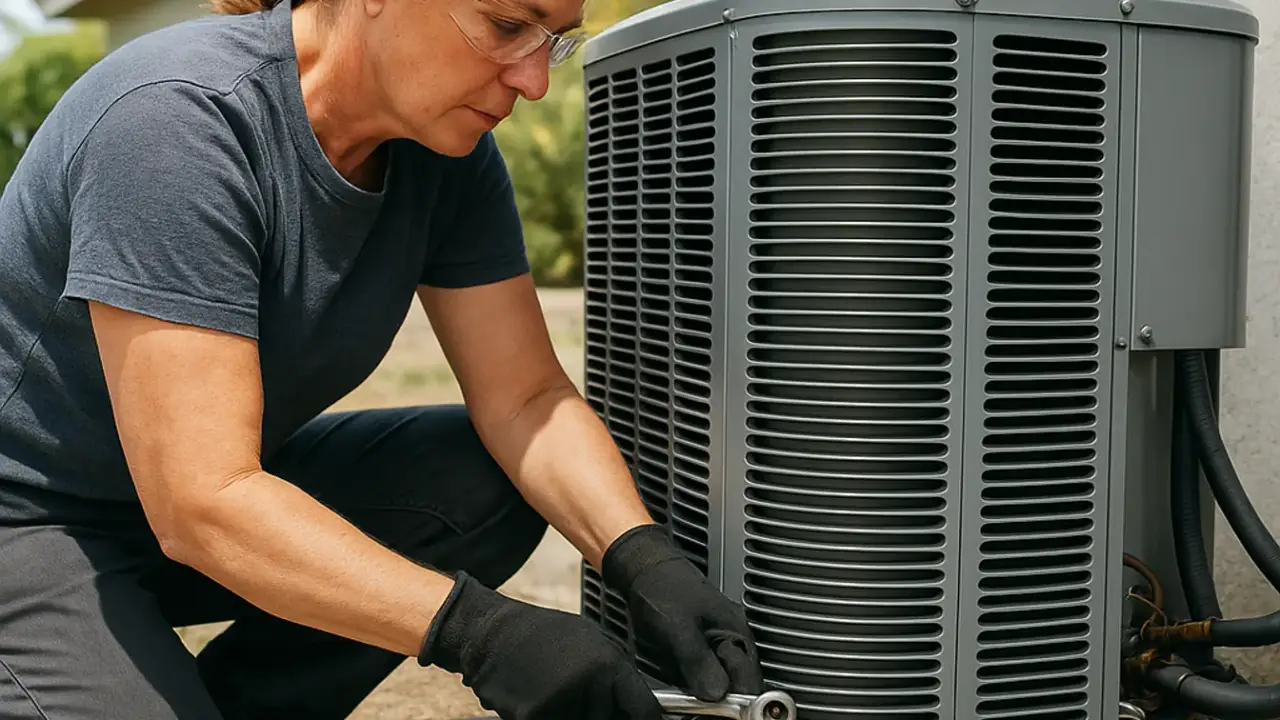
A practical standard for every visit.
Clear planningPrepared arrivalsCareful workLocal follow-through
Experience in the details
Eight years sealing Duval County ducts
AirCrest Jacksonville HVAC has been sealing duct systems since 2018, and in eight years we have learned exactly where Jacksonville attics eat ductwork alive. Our technicians hold NATE certification and EPA Section 608 credentials, and we design repairs around ACCA Manual D duct sizing so we are not just plugging holes in an undersized system. We work on Carrier, Trane, Lennox, Goodman, Rheem, and York equipment every week, which means we know how each brand's air handler closet is built and where the factory connections fail first.
- NATE-certified technicians trained on duct diagnostics and static pressure testing
- EPA Section 608 certified for refrigerant handling when sealing work uncovers a leak
- Duct blaster and inspection camera used on every job, before and after
- Repairs follow ACCA Manual D sizing so sealed ducts still move the right CFM
- Eight years serving Duval County homes, from Riverside bungalows to Nocatee new builds
Where we work
One local team. A lot of ground covered.
Downtown JacksonvilleRiversideAvondaleSan MarcoSpringfieldOrtegaMandarinSouthsideArlingtonNorthsideWestsideBeaches
Check my address Notes from local customers
What Jacksonville homeowners say
Our back bedroom never cooled and I figured the AC was just old. AirCrest ran the duct blaster and showed me 190 CFM of leakage. They sealed the trunk and boots in one afternoon. The room finally hits 72 in August, and my JEA bill dropped about $38 the first full month. Worth every dollar.
1920s bungalow with original sheet metal ducts and more gaps than I could count. They sealed the plenum and every takeoff, replaced two crushed flex runs, and tested before and after. The dust on my furniture is noticeably less and the house does not feel clammy at 75 anymore. Straight answers, no upsell.
I manage six rentals and duct leakage was killing my maintenance budget. AirCrest sealed all six systems over three weeks and gave me the before-and-after CFM numbers on each one. Two of the units stopped short cycling entirely. They invoice clean and show up when they say they will.
Most Jacksonville homes run $450 to $1,400 for full-system duct sealing, and typical 2026 pricing lands near $800 for an average 1,800-square-foot house. Small targeted repairs start around $250. Attic access, duct material, and how many runs need reconnection drive the number. We quote after the duct blaster test, so you know the leakage before you know the price.
Yes, usually 10 to 20 percent on summer cooling costs. A system leaking 25 percent of its air pays to cool the attic all summer. Sealing drops that to single digits, so the unit runs shorter cycles. In a Jacksonville home with a $220 August bill, that is $22 to $44 a month back, which pays for the job in one to two cooling seasons.
Mastic-sealed joints last 10 to 15 years in a Florida attic, and often longer if the duct system stays dry. Foil-tape jobs fail in one or two summers. Heat and humidity are the enemies, so we seal with mastic and mesh, re-support sagging flex duct, and fix the underlying static pressure problems that pull connections apart in the first place.
AirCrest Jacksonville HVAC does, and we have been sealing Duval County duct systems since 2018. We serve Downtown Jacksonville, Riverside, Mandarin, Southside, Arlington, the Beaches, Orange Park, and Nocatee, with ZIP coverage across 32224, 32225, 32226, and 32220. Call (312) 638-0812 and we will schedule a duct blaster test.
Keep exploring
Related Services
Your next step is waiting
Book HVAC Duct Sealing in jacksonville this week
One duct blaster test tells you exactly how much air you are losing. We seal it, verify it, and hand you the numbers. Licensed, insured, and warrantied. Call (312) 638-0812 and we will get you on the schedule.
Start with the basics
call AirCrest Jacksonville HVAC
Call (312) 638-0812 and a live person answers, not a phone tree. We book same-day appointments across Jacksonville and Duval County, and our after-hours line stays open for emergencies. Tell us what the system is doing and we will load the right parts before the truck rolls.