How to prepare your furnace for winter in Jacksonville
Jacksonville winters are mild, but a furnace that sat idle since March can still fail on the first cold night. Here is the checklist we use before every heating season.
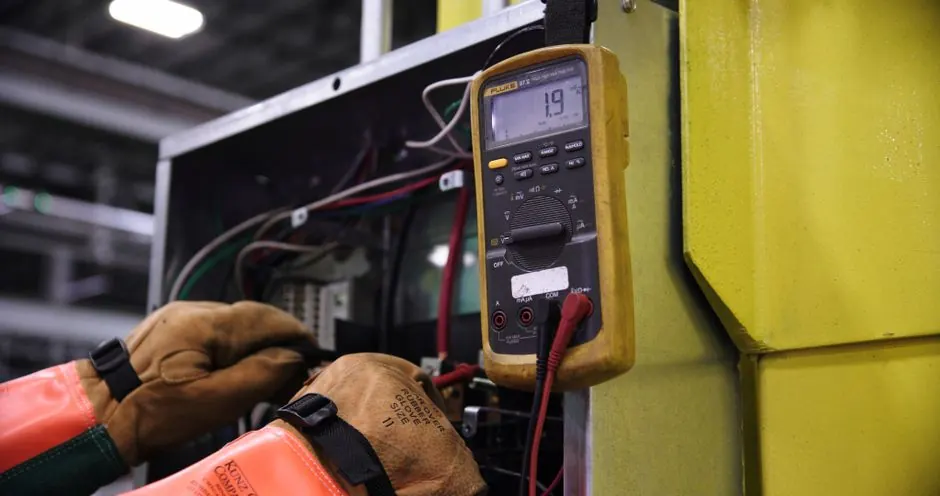
You prepare your furnace for winter in Jacksonville by changing the filter, clearing the intake and exhaust vents, testing the thermostat, and scheduling a professional tune-up before the first cold front arrives. That is the short version. The longer version matters because our winters are mild enough that most furnaces sit idle for eight or nine months, and equipment that sits idle tends to fail on the first genuinely cold night.
Jacksonville is not Minneapolis, but we do get hard freezes. When they hit, every heating call in the city seems to come in the same 48 hours. Getting ahead of that rush is the whole point of a fall furnace checklist. Below is exactly what we check, what you can handle yourself, and when it is worth paying a technician.
Why your Jacksonville furnace needs a pre-winter check
Jacksonville furnaces fail in winter for a specific reason: they sat unused through a long, humid summer. During those months, dust settles on the burners, insects build nests in the intake and exhaust pipes, and the blower motor's lubricant dries out. None of that shows up in July. All of it shows up in January.
There is also a safety angle. A cracked heat exchanger or a blocked flue can push carbon monoxide into your home. That is not a rare event in older Jacksonville neighborhoods like Springfield, Riverside, and Murray Hill, where a lot of housing stock dates to the 1940s through 1960s and original ductwork has been patched more than once. We see it every fall.
Preparing your furnace for winter in Jacksonville is less about surviving extreme cold and more about making sure the equipment still works when you finally ask it to. A furnace that has not run since March is an unknown. A furnace that has been inspected is a known quantity.
If you want a baseline on the whole system before the season starts, an hvac inspection jacksonville FL covers the furnace, the thermostat, the ductwork, and the safety components in one visit.
When should you schedule furnace maintenance in Jacksonville?
Schedule furnace maintenance in Jacksonville between late September and the end of October. That is the window before our first real cold fronts, which usually arrive in late November or early December, and it is when HVAC companies still have open appointment slots.
By the second week of December, our schedule fills up fast. When a freeze hits, we go into emergency mode and routine tune-ups get pushed back. Homeowners who call in October get a relaxed appointment. Homeowners who call the day before a freeze get whatever slot is left.
If you miss the fall window, you can still get a tune-up in November or even December. It is not too late until the furnace actually quits. But the earlier you book, the more options you have.
One more timing note: if your system is a heat pump rather than a gas furnace, the same logic applies, but the stakes are slightly different. Heat pumps run year-round in Jacksonville, so they get more wear. A fall heat pump tune up jacksonville FL is worth booking at the same time you would book a furnace check.
The 10-point furnace checklist Jacksonville homeowners can do themselves
Most of this takes an afternoon and costs under $50 in parts. None of it requires opening the burner compartment or touching gas lines. If a step requires a screwdriver and a flashlight, you can do it. If it requires a multimeter or a manometer, leave it to us.
- Change the air filter. A 1-inch filter should be replaced every 1 to 3 months. In Jacksonville's humid climate, we lean toward every 30 to 45 days during heavy use. A clogged filter is the single most common cause of a furnace that runs but does not heat well.
- Test the thermostat. Switch it to HEAT and set it 5 degrees above room temperature. The furnace should kick on within a minute or two. If nothing happens, check the batteries and the breaker before assuming the worst.
- Clear the intake and exhaust vents. On a high-efficiency furnace, these are the two PVC pipes exiting the side of your house. Make sure they are not blocked by leaves, mulch, or insect nests. A blocked exhaust is a carbon monoxide risk.
- Vacuum the return grilles. Dust and pet hair build up on the grille faces. Pull them off and vacuum both sides.
- Check the condensate drain. High-efficiency furnaces produce water. If the drain line is clogged with algae, the furnace will shut down on a safety lockout. Pour a cup of white vinegar down the drain line to keep it clear.
- Look at the flame color. Open the burner access panel and look. A healthy flame is blue with a steady shape. A yellow, flickering, or lifting flame means you should call us.
- Listen for unusual sounds. A boom on startup, a high-pitched squeal, or a rattle that was not there last year all point to specific parts that are wearing out.
- Smell for gas. If you smell rotten eggs near the furnace, leave the house and call your gas utility from outside. Do not flip switches or use your phone inside.
- Test your carbon monoxide detectors. Press the test button on each unit. Replace the batteries if you have not done so this year. If you do not have a CO detector near the sleeping areas, buy one today.
- Clear the area around the furnace. Keep at least 3 feet of clearance on all sides. Paint cans, holiday storage, and cardboard boxes near a furnace are a fire hazard.
If you get through all ten and everything looks normal, you are in good shape. If any step raises a flag, that is your signal to call.
What a professional winter furnace tune up in Jacksonville FL includes
A professional winter furnace tune up in Jacksonville FL goes deeper than the homeowner checklist. We open the burner compartment, test combustion, and measure the components that tell us how much life is left in the system.
Here is what we actually do on a standard furnace tune-up:
- Inspect and clean the burners
- Test the igniter and flame sensor
- Check the heat exchanger for cracks
- Measure gas pressure at the manifold
- Test the blower motor amp draw and capacitor
- Verify the limit and rollout switches
- Check the flue and combustion air intake
- Test the thermostat calibration
- Inspect the duct connections at the plenum
- Run a full heating cycle and verify temperature rise
Temperature rise is the number most homeowners never hear about. It is the difference between the air entering the furnace and the air leaving it. On most residential furnaces, that should be between 35 and 65 degrees. If yours is outside that range, something is wrong - usually a dirty blower wheel, an oversized furnace, or a duct restriction.
Typical 2026 pricing in the Jacksonville area for a single-system furnace tune-up runs $89 to $189, depending on the company and whether you are on a maintenance plan. A furnace tune up jacksonville FL that includes a combustion analysis and a written report tends to sit at the higher end. The lower end is usually a visual inspection with a filter change.
If the technician finds a failed part, expect to pay separately for the repair. Common fall repairs we handle include igniters ($150 to $300 installed), flame sensors ($120 to $250), and blower capacitors ($150 to $280). A cracked heat exchanger is a different conversation - that usually means replacement, and we will walk you through the options before you decide.
Common mistakes we see every fall
The same handful of mistakes show up on our fall calls year after year. Avoiding them saves money and, in a few cases, saves lives.
Waiting for the first cold snap. Everyone calls at once. You will wait longer, pay more for emergency service, and possibly go a night without heat. Book in October.
Skipping the filter because "it looked fine." A filter can look clean on the surface and still be loaded with fine dust. Hold it up to a light. If you cannot see through it, replace it.
Closing off vents in unused rooms. This raises static pressure in the duct system and can damage the blower motor over time. Keep the vents open.
Ignoring the smell of gas. If you smell gas, leave. Do not investigate. Do not call from inside the house. Call your utility from the driveway.
Using the furnace as a construction heater. If you are doing a renovation and the drywall dust is flying, do not run the furnace. That dust goes straight into the blower and the burners.
Assuming a new furnace does not need service. New equipment fails too, usually because of installation issues or a dirty filter. The first-year tune-up is often the most important one.
We also see a lot of older systems in specific parts of town. In furnace repair in Springfield, for example, the housing stock is older and the ductwork has often been modified several times. Those systems need a closer look than a 2018 build in Nocatee.
When to call a professional
Call a professional if you smell gas, see a yellow or flickering flame, hear a boom on startup, or find soot around the burner compartment. Those are not DIY items. They are safety items.
Call us also if the furnace short-cycles - starts, runs for a minute or two, and shuts off - or if it runs constantly without reaching the thermostat setpoint. Both point to problems that get worse, not better.
At AirCrest Jacksonville HVAC, we handle furnace tune-ups, repairs, and replacements across Duval, Clay, and St. Johns counties. We will tell you what we find, what it costs to fix, and whether the system is worth repairing or better off replaced. No pressure either way.
If your furnace is more than 15 years old and you have put money into it two years in a row, replacement is usually the smarter move. A new furnace installation jacksonville FL in 2026 runs $3,200 to $6,800 for a standard gas system, depending on size, efficiency rating, and whether ductwork needs modification.
Frequently Asked Questions
How do I prepare my furnace for winter in Jacksonville?
Change the filter, clear the intake and exhaust vents, test the thermostat on HEAT, vacuum the return grilles, check the condensate drain, and schedule a professional tune-up before late November. If you do those six things, you have covered 90% of what matters for a Jacksonville winter.
When should I schedule furnace maintenance in Jacksonville?
Book between late September and the end of October. Jacksonville's first hard cold fronts usually arrive in late November or early December, and HVAC schedules fill up fast once the forecast turns. October appointments are easy to get; December appointments are not.
What should I check on my furnace before winter in Jacksonville?
Check the filter, the thermostat, the flame color, the intake and exhaust pipes, the condensate drain, and your carbon monoxide detectors. Also listen for new noises on startup. Anything unusual - a boom, a squeal, a yellow flame - warrants a professional visit before you rely on the system.
Does my furnace need a tune up in Jacksonville?
Yes, once a year. Even though Jacksonville winters are mild, a furnace that sits idle for eight months accumulates dust, insect nests, and dried lubricant. An annual tune-up catches those issues before the first cold night, when every HVAC company in the city is slammed.
How much does a furnace tune up cost in Jacksonville in 2026?
Expect $89 to $189 for a single-system tune-up in the Jacksonville area in 2026. Combustion analysis and written reports push the price toward the higher end. Maintenance plans often bring the per-visit cost down and include priority scheduling during cold snaps.
Get help with hvac in jacksonville
If you would rather hand the checklist to someone who does this every day, we will take it from here. Our team handles furnace tune-ups, safety inspections, and repairs across Jacksonville and the surrounding counties.
Call AirCrest Jacksonville HVAC at (312) 638-0812 to book your pre-winter furnace check. We will get you on the schedule before the first cold front, not after.