How Jacksonville humidity affects your AC performance
Jacksonville's summer humidity forces your AC to remove moisture before it can cool the air. Here's why your system struggles and how to fix it.
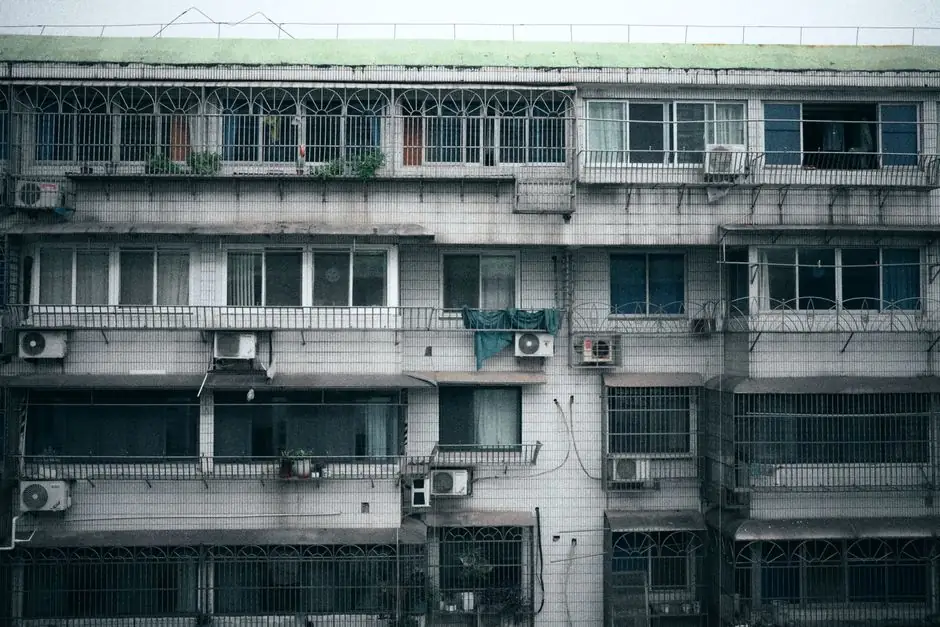
Jacksonville humidity affects your AC performance by forcing the system to remove moisture from the air before it can actually cool your home. When outdoor humidity sits between 70% and 90% for weeks at a time, your air conditioner spends more energy on dehumidification than on temperature drop - which is why your thermostat reads 74°F but the room still feels sticky.
That's the short answer. The longer version involves how your system was sized, how well your ducts are sealed, and what you're doing (or not doing) to help it keep up. We'll walk through the mechanics, the warning signs, and the fixes that actually work in Northeast Florida.
Why Jacksonville humidity makes your AC work harder
Jacksonville's climate is the problem: our average relative humidity runs 70-80% in summer, and dew points frequently sit in the mid-70s. Your AC has two jobs - cool the air and pull moisture out of it - and in our climate, the second job can consume 30% or more of the system's total capacity.
Here's the physics in plain terms. When warm, humid air crosses your evaporator coil, the coil has to drop the air below its dew point before water vapor condenses and drains away. That means your system runs longer cycles, pulls more amps, and delivers less sensible cooling per hour than the same unit would in a dry climate like Phoenix.
We see this every week in homes across hvac jacksonville FL - systems that were sized for a generic 95°F design day but not for a 78°F dew point. A unit that's perfectly adequate in a dry climate can be chronically short-cycled here.
What high humidity does to your AC system
High humidity in Jacksonville stresses every part of your AC system, from the coil to the compressor to the ductwork. The damage isn't dramatic - it's cumulative.
Longer run times and higher electric bills
A typical 3-ton system in Jacksonville runs 45-60 minutes per hour during July and August, versus 25-35 minutes in a drier climate. That extra runtime shows up on your JEA bill as a 15-25% summer increase over what the same square footage would cost in a low-humidity market.
Coil icing and refrigerant issues
When a system is undersized or the coil is dirty, the evaporator coil can drop below 32°F and start icing. Once ice forms, airflow drops, the coil ices further, and you get the classic "AC running but not cooling" call. We see this most in homes built before 1990 with original ductwork and 10+ SEER units.
Mold and microbial growth
Your drain pan, duct liner, and air handler cabinet stay damp for months. Without proper drainage and filtration, that's a growth medium. If you smell something musty when the system kicks on, that's the signal.
Premature compressor wear
Longer cycles mean more compressor hours. A compressor rated for 15 years of typical use in a dry climate may fail at 10-12 years here if the system is fighting humidity it wasn't sized for.
Signs your AC is struggling with Jacksonville humidity
Your AC is losing the humidity battle when the thermostat hits setpoint but the house still feels clammy. That's the number-one sign, and it's the one most homeowners ignore because the temperature reading looks fine.
Other signals we hear about on service calls:
- Thermostat reads 72-74°F but the air feels sticky and heavy
- Windows fog up on the inside during the day
- Closets and bathrooms smell musty even after cleaning
- Your AC runs 50+ minutes per hour without reaching setpoint
- Condensate drain line clogs every 6-12 months
- Wood floors or door frames feel slightly damp to the touch
If you're seeing two or more of these, the system isn't keeping up with air conditioning repair jacksonville FL conditions - and it's usually a sizing, airflow, or charge issue, not a thermostat problem.
How to control humidity with AC in Jacksonville
You can control humidity with your AC in Jacksonville by slowing the system down, sealing the envelope, and adding dedicated dehumidification when the load exceeds what the AC can handle. Here's what actually moves the needle.
1. Set the fan to AUTO, not ON
Running the blower continuously re-evaporates moisture off the coil and pushes it back into your house. AUTO lets the coil drain between cycles. This one change can drop indoor humidity 5-10%.
2. Seal the ducts and the envelope
Jacksonville homes lose 20-30% of conditioned air through leaky ducts in attics that hit 130°F in July. Sealing ducts and air-sealing attic penetrations keeps the cool, dry air where you want it. Our hvac duct sealing jacksonville FL service typically pays for itself in 18-24 months on cooling costs alone.
3. Add a whole-home dehumidifier
When your AC is properly sized and still can't hold indoor humidity below 55%, a standalone dehumidifier is the right answer. A 70-pint portable unit runs $250-$400 in 2026 and handles 1,000-1,500 sq ft. Whole-home units tied into your HVAC run $1,800-$3,500 installed and hold the entire house at 45-50% RH.
4. Keep the coil and filter clean
A dirty evaporator coil can't get cold enough to condense moisture efficiently. Change 1-inch filters every 30-60 days in summer, and have the coil cleaned every 2-3 years. Our air conditioning maintenance jacksonville FL visits include coil inspection and condensate drain flush.
5. Don't oversize the replacement
An oversized AC blasts cold air, hits setpoint in 10 minutes, and shuts off before it removes meaningful moisture. Manual J sizing matters more here than anywhere. If you're replacing a system, insist on a load calculation - not a rule-of-thumb match to the old tonnage.
6. Use exhaust fans and keep doors closed
Bathroom and kitchen exhaust fans should run 15-20 minutes after showers and cooking. Keep interior doors open when the system is running so return air can circulate.
Common mistakes that make humidity worse
The most common mistake we see in Jacksonville homes is running the thermostat lower to "dry out" the house. That doesn't work - it just makes the system run longer without addressing the moisture load.
Other mistakes:
- Setting the fan to ON - re-evaporates coil moisture back into the air
- Closing vents in unused rooms - raises static pressure and reduces airflow across the coil
- Ignoring a clogged condensate drain - water backs up, shuts down the system, and leaves standing moisture in the pan
- Replacing a system without a Manual J - the #1 cause of oversized, short-cycling ACs in Northeast Florida
- Skipping annual maintenance - a coil that's 20% dirty loses 15-20% of its dehumidification capacity
If you're in an older neighborhood - Riverside, Avondale, San Marco - the combination of original ductwork and mature tree cover makes these problems worse. We handle a lot of residential hvac services jacksonville FL in those areas, and duct sealing is almost always part of the fix.
When to call a professional
Call a professional when your AC holds temperature but not humidity, when your electric bill jumps 20%+ year over year, or when you see ice on the refrigerant lines. Those three symptoms point to charge, airflow, or sizing issues that you can't fix with a thermostat setting.
At AirCrest Jacksonville HVAC, we start every humidity call with a static pressure test and a superheat/subcool check - not a sales pitch. If the system needs a repair, we quote it upfront. If it needs a dehumidifier or duct work, we tell you that too.
If your system is 12+ years old and struggling, a hvac inspection jacksonville FL will tell you whether to repair or replace before next summer.
Frequently Asked Questions
How does humidity affect my AC in Jacksonville?
Jacksonville humidity forces your AC to remove moisture before it can cool the air, consuming 30% or more of the system's capacity. That means longer run times, higher electric bills, and a house that feels clammy even when the thermostat reads 74°F.
Why does my AC struggle with Jacksonville humidity?
Most systems in Northeast Florida are sized for temperature, not moisture load. When outdoor dew points sit in the mid-70s for weeks, an undersized or oversized unit can't run long enough to pull humidity out. Duct leaks and dirty coils make it worse.
How can I reduce humidity in my Jacksonville home?
Set your fan to AUTO, seal ducts, keep filters clean, and run exhaust fans after showers. If indoor humidity stays above 55%, add a whole-home dehumidifier - a 70-pint portable unit runs $250-$400 in 2026 and handles 1,000-1,500 sq ft.
Does AC remove humidity in Jacksonville?
Yes, but only when it runs long enough. A properly sized AC removes 15-25 pints of moisture per day in Jacksonville summer conditions. If your system short-cycles, it removes far less, and you'll need supplemental dehumidification.
What indoor humidity level should I aim for in Jacksonville?
Aim for 45-55% relative humidity indoors. Below 40% feels dry and can cause static and wood shrinkage. Above 60% invites mold, dust mites, and that sticky feeling. A $15 hygrometer from any hardware store will tell you where you stand.
Get help with hvac in jacksonville
If your AC is running nonstop and your house still feels damp, we can diagnose it in one visit. Call AirCrest Jacksonville HVAC at (312) 638-0812 and we'll get your humidity under control before the next heat wave.